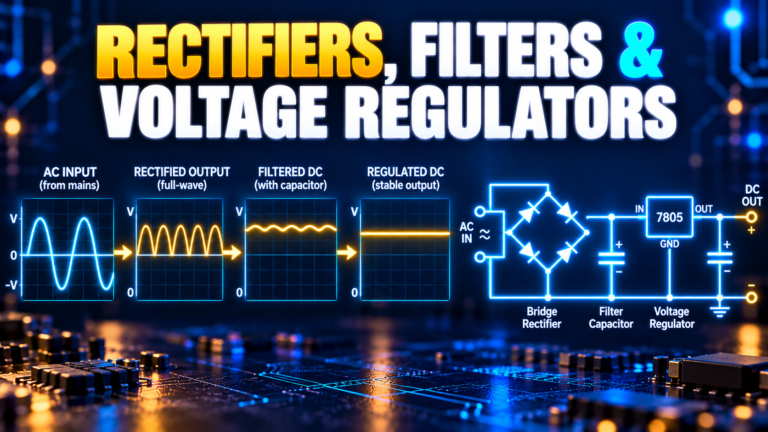
Rectifiers, Filters and Voltage Regulators Explained
A rectifier, filter, and voltage regulator each solve a different part of the power-supply problem. The rectifier converts AC to pulsating DC, the filter reduces ripple,…
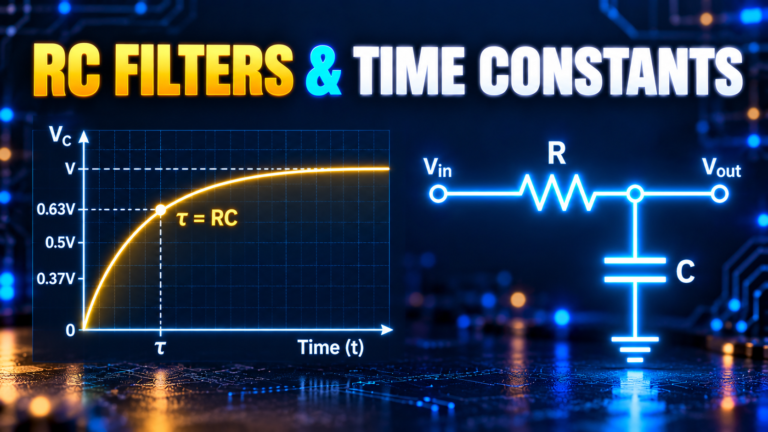
RC Filter and Time Constant Explained: Low-Pass, High-Pass, and Examples A resistor and a capacitor can do more than sit quietly on a circuit board. Together,…
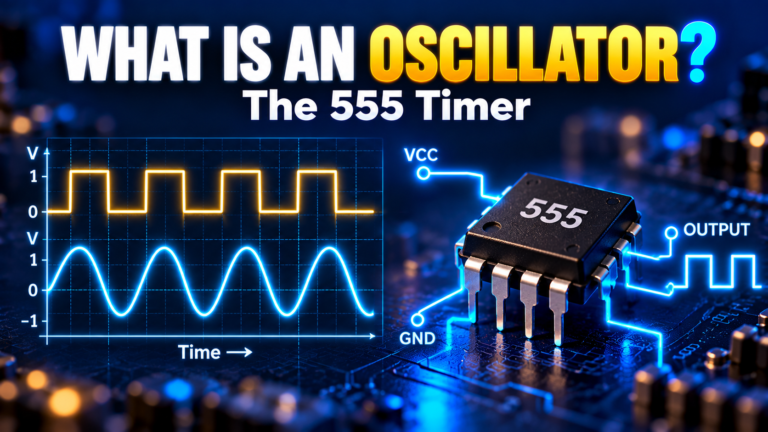
555 Timer and Oscillators Explained: Modes, Formulas, and Examples A flashing LED, a simple alarm, and a clock circuit all need something to create repeated electrical…
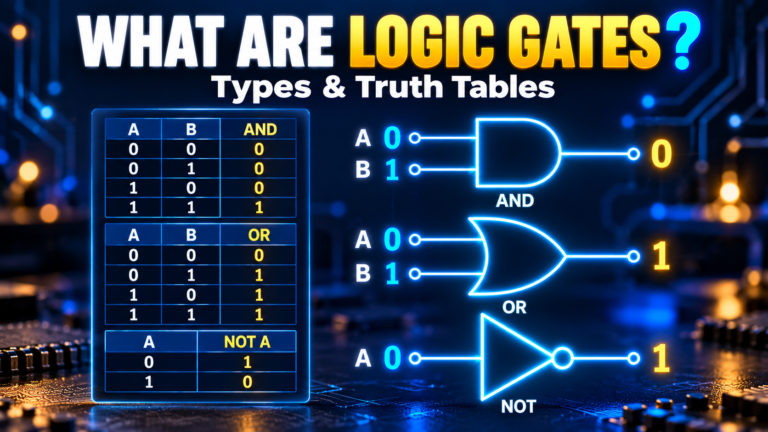
Logic Gates Explained: Types, Truth Tables, and Examples How does a computer make a decision using only electrical signals? It combines simple operations that answer questions…
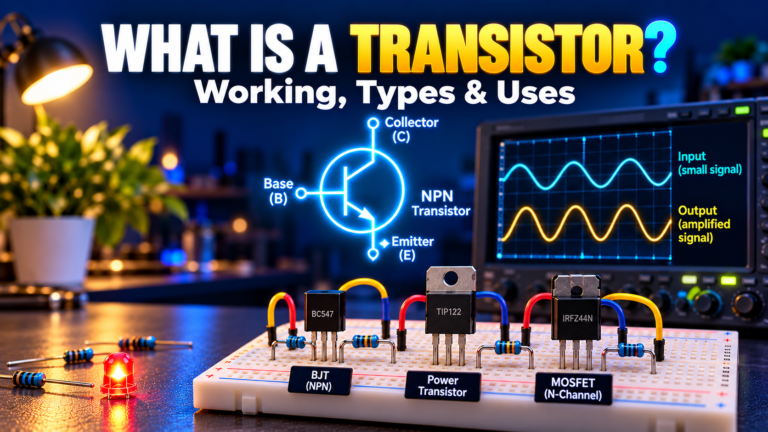
How can a tiny component turn a weak sensor signal into an action, or switch a motor on and off? A transistor makes both possible. A…
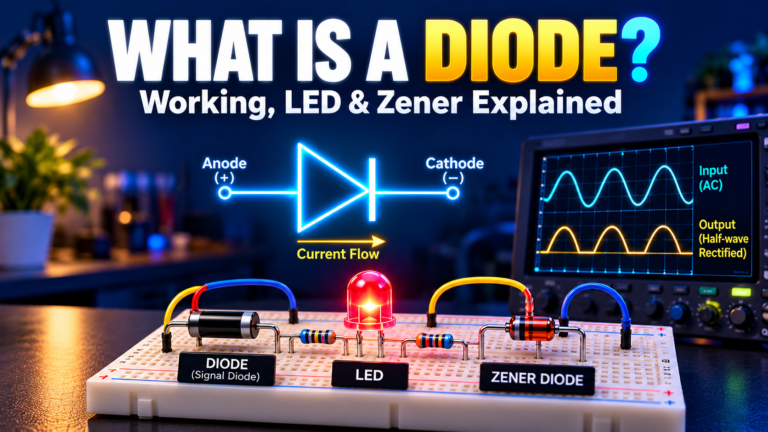
A small diode can protect a circuit from a backward battery or turn alternating current into a usable supply. Another diode can light up, while a…
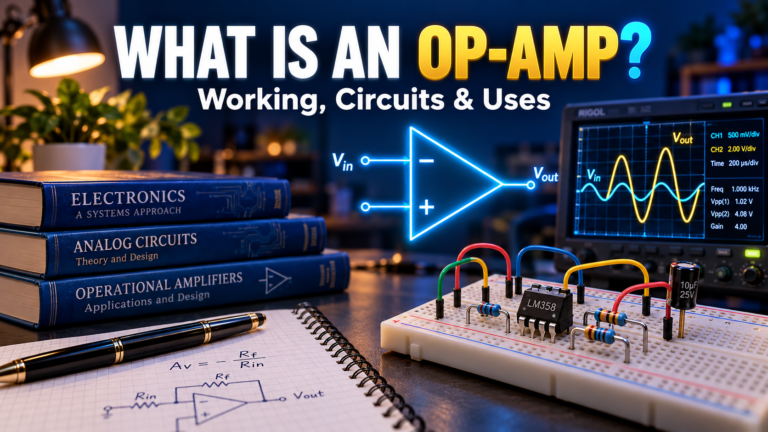
A sensor may produce only a tiny voltage, yet a controller needs a signal it can measure reliably. An op-amp can help bridge that gap. An…
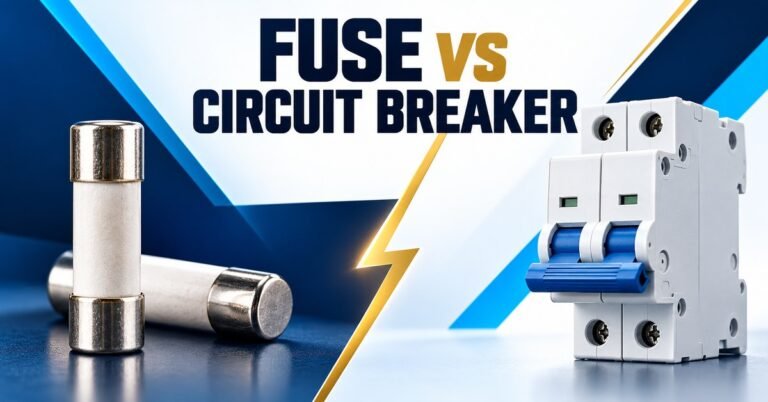
Compare fuse and circuit breaker operation, overload and short circuit protection, MCBs, key ratings, and replacement mistakes in this clear beginner's guide.
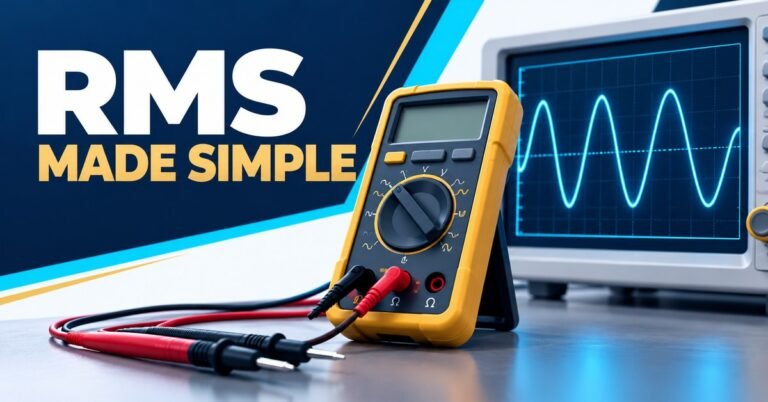
Understand RMS value, RMS voltage, and root mean square with sine-wave, square-wave, and pulse examples, plus practical tips for reading AC meters correctly.
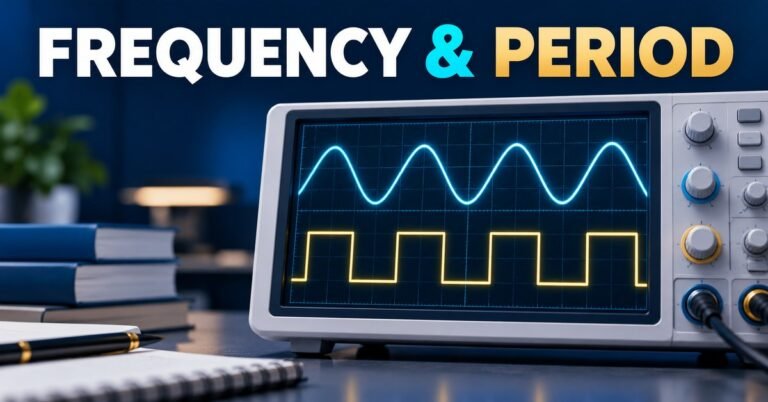
Understand frequency and period, sine waves, square waves, amplitude, and duty cycle with simple formulas, oscilloscope examples, and common mistakes explained.
Learn Thevenin's theorem and Norton's theorem with a worked voltage-divider example, equivalent circuit steps, source conversion, and common mistakes to avoid.
Learn to read a circuit diagram, recognize schematic symbols, follow current paths, and check connections with a simple LED example and practical beginner tips.
What is a battery and how does it work? Learn about chemical energy, voltage, common battery types, capacity, charging, and realistic runtime with examples.
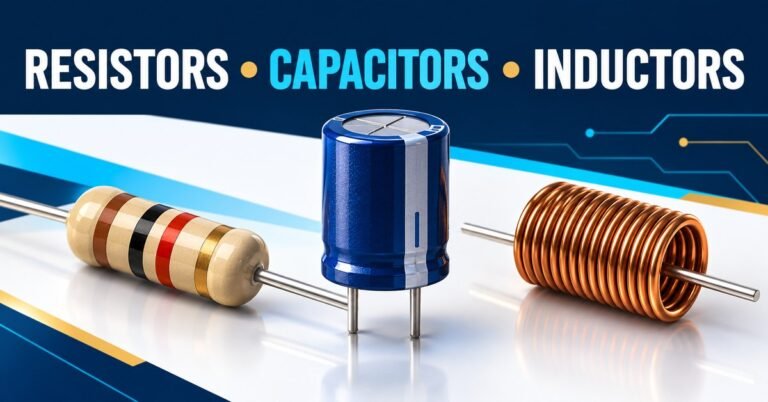
Learn how resistors capacitors and inductors work, compare formulas and practical uses, and understand passive component ratings with clear beginner examples.
Compare conductors insulators and semiconductors with everyday examples, clear energy band explanations, and practical tips for learning electronic materials.
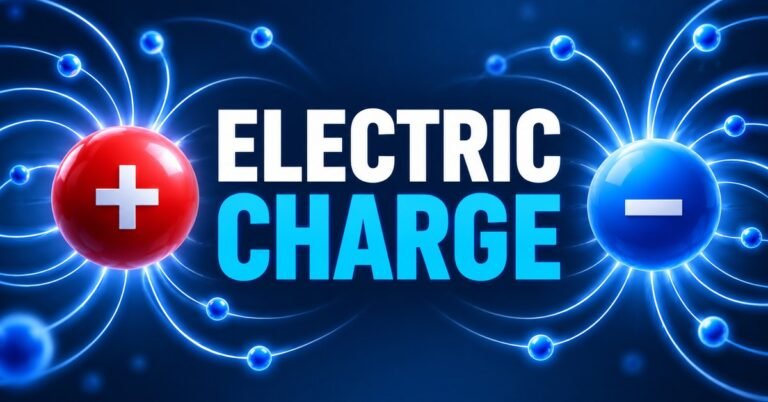
Understand electric charge, coulombs, positive and negative charge, and static electricity with simple examples that connect charge to current and voltage.
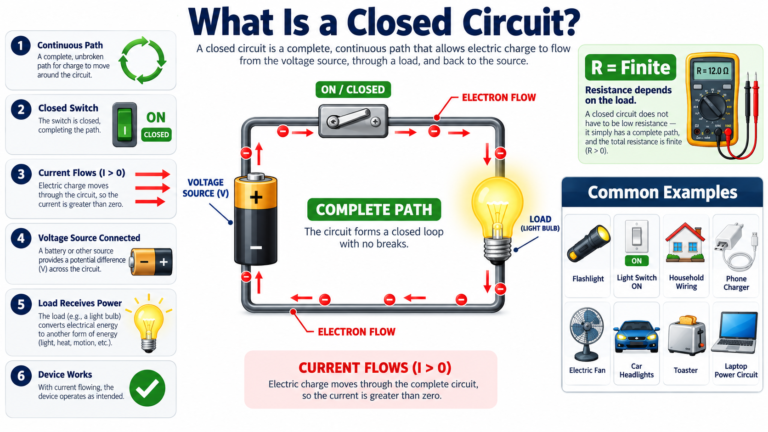
A closed circuit has a complete electrical path around which current can flow under suitable source and component conditions. In a simple battery, switch, and lamp…
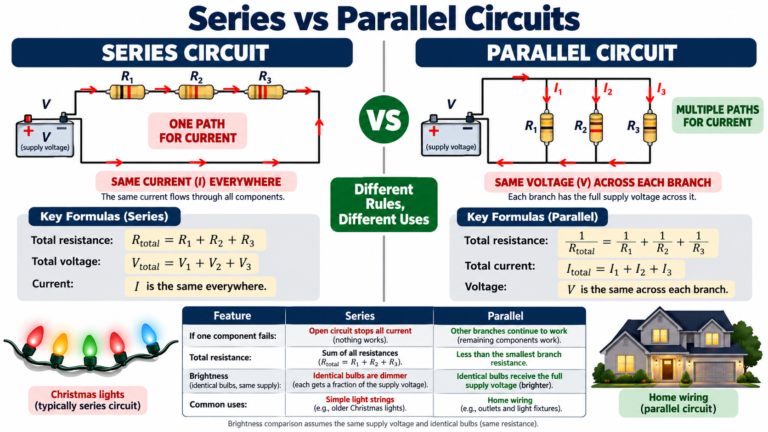
Series vs parallel circuits is a comparison of connection patterns. Components in a simple series path carry the same current because there is no branching between…
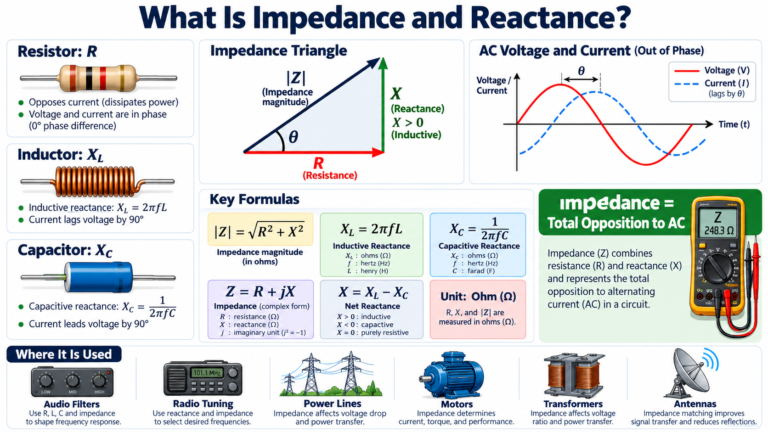
Impedance and reactance describe how circuit elements respond to alternating electrical signals. Impedance is the total opposition represented by the complex ratio of voltage phasor to…
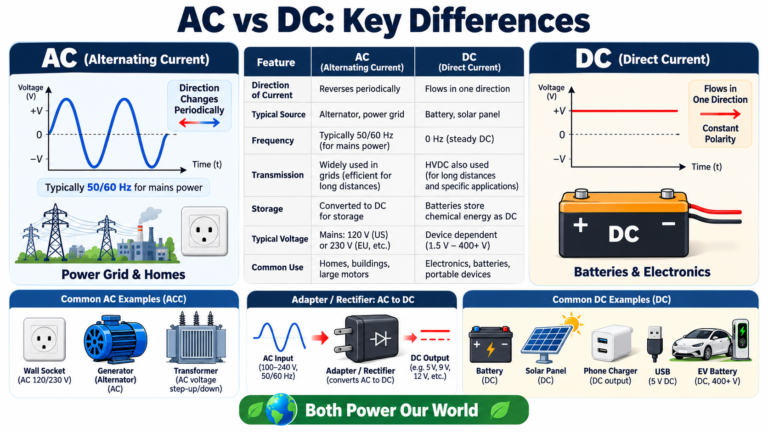
AC vs DC describes a difference in how electrical current behaves over time. Alternating current reverses direction, while direct current remains unidirectional. When discussing voltage, AC…
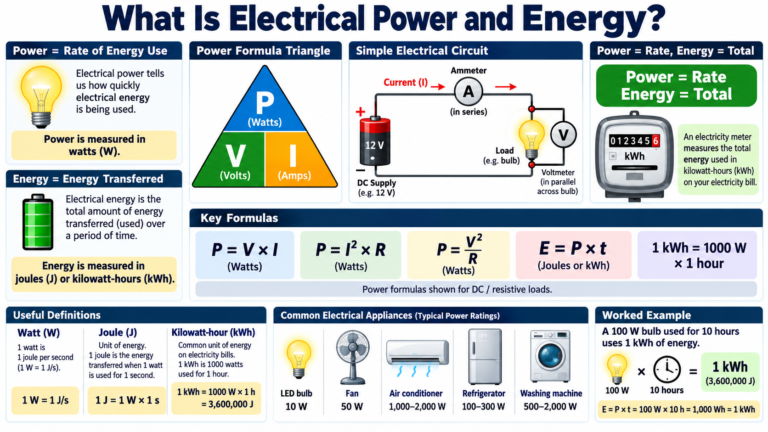
Understand electric power, watts, kilowatt-hours, and your electricity bill with clear formulas, appliance examples, power factor basics, and practical tips.
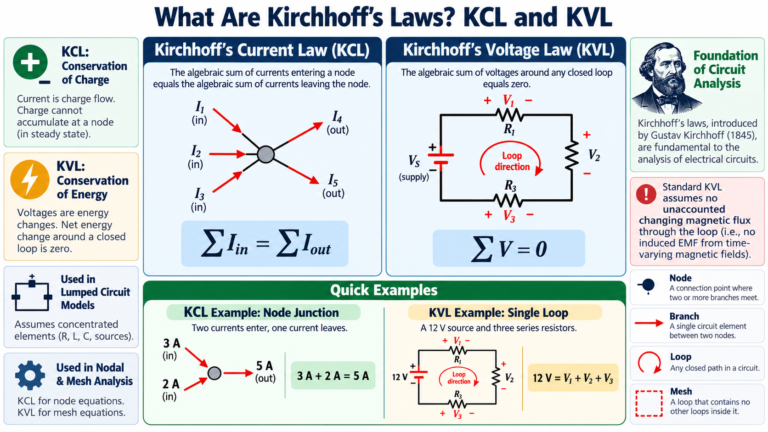
Kirchhoff’s laws are two circuit-analysis rules that express charge balance at a node and voltage balance around a loop. Kirchhoff’s current law, or KCL, relates currents…
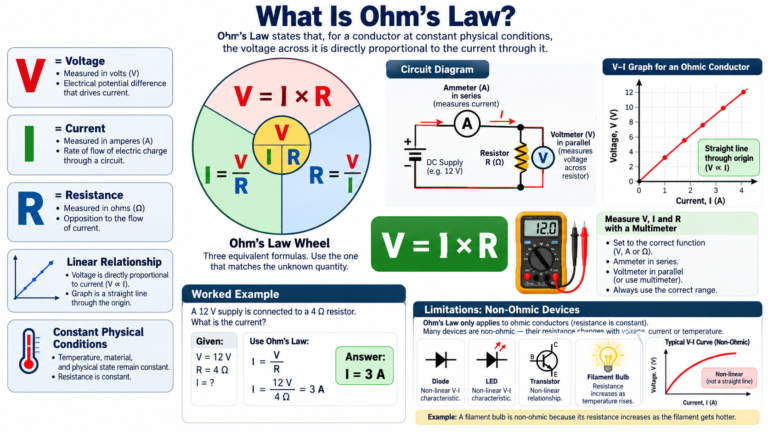
Ohm’s law states that the current through an ohmic conductor is proportional to the voltage across it when physical conditions, particularly temperature, remain constant. The familiar…
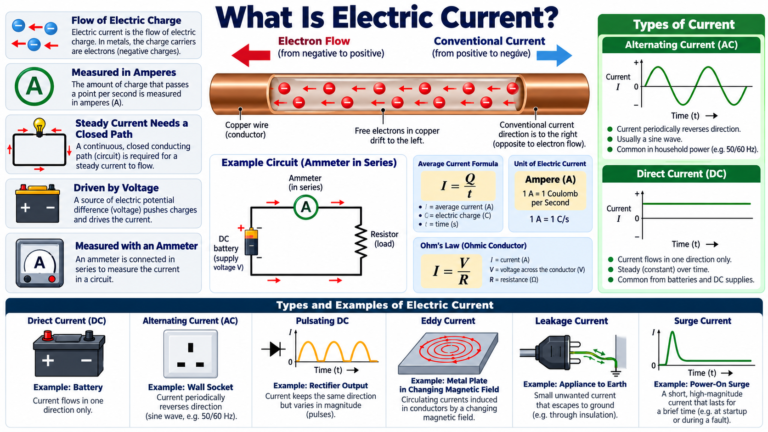
Electric current is the rate at which electric charge passes through a chosen surface, such as the cross-section of a wire. Its SI unit is the…
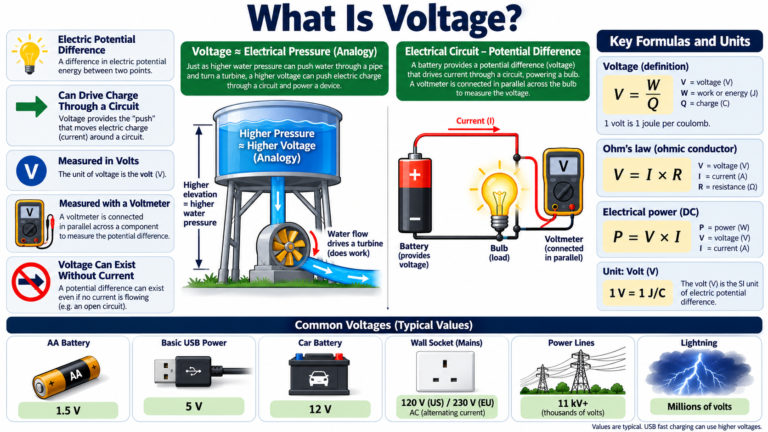
Voltage is the difference in electric potential between two points. It tells us how much energy can be transferred per unit charge as charge moves between…
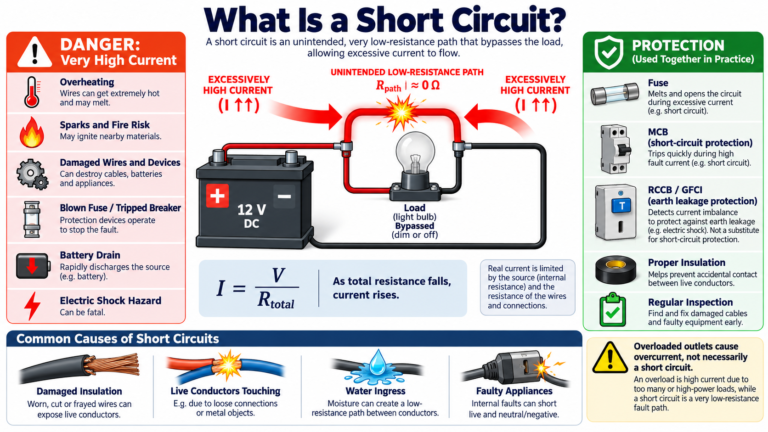
A short circuit is an unintended connection that creates a low-impedance path between points at different electrical potentials. Instead of following the designed route through a…
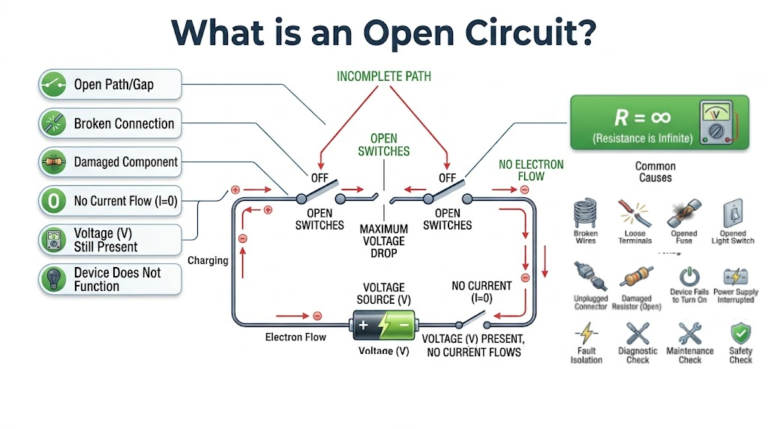
An open circuit interrupts a specified current path. Learn how it differs from a closed or short circuit, why voltage can remain, and how branch behavior…
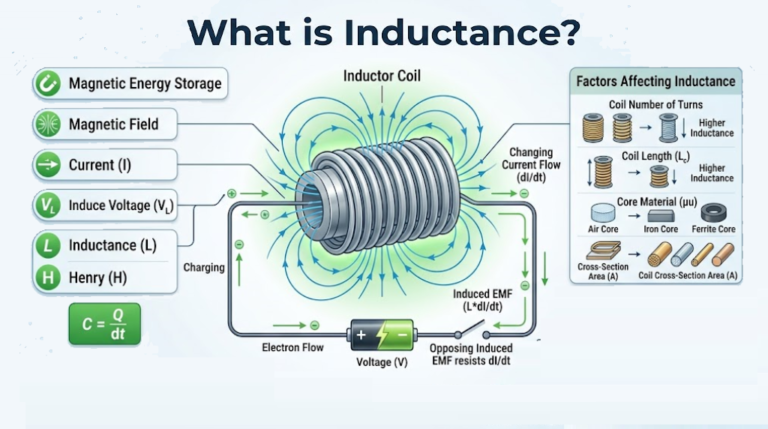
Inductance is a fundamental property of electrical conductors and coils that opposes changes in electric current through electromagnetic induction. This comprehensive guide explains the definition of…
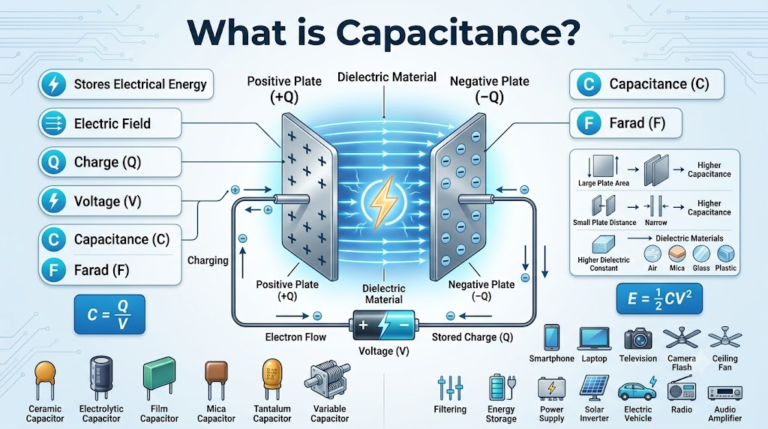
Capacitance is the ability of a capacitor to store electric charge and electrical energy in an electric field. Learn the definition, formula (C = Q/V), SI…
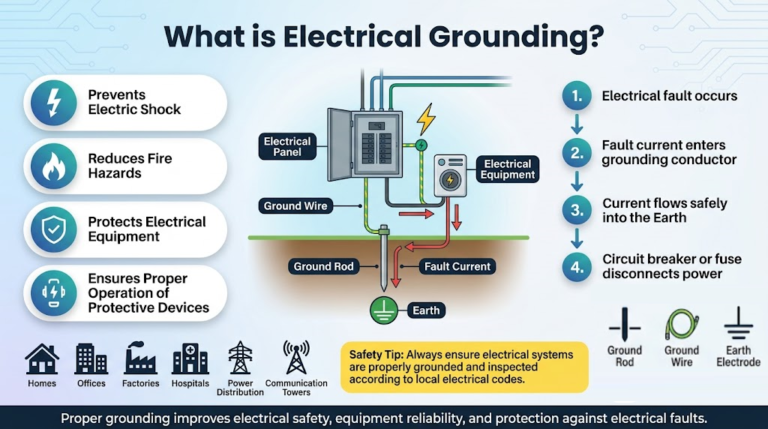
Understand earthing, protective bonding and fault-current return paths, including how TN, TT and IT arrangements affect protective disconnection.
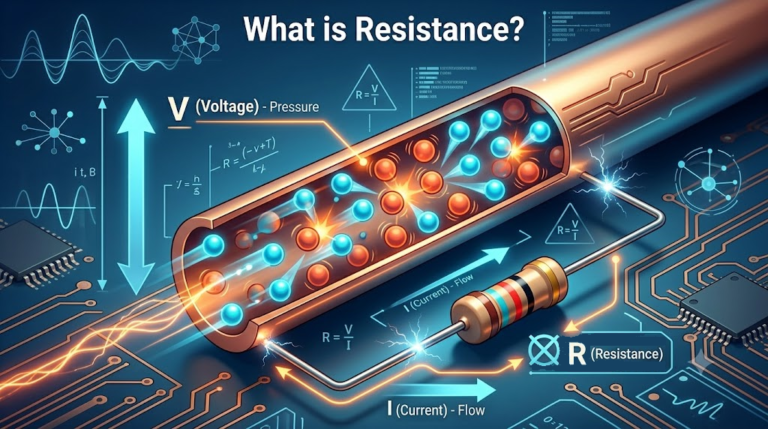
Resistance is the property of a material that opposes the flow of electric current. Measured in ohms (Ω), resistance plays a crucial role in electrical and…
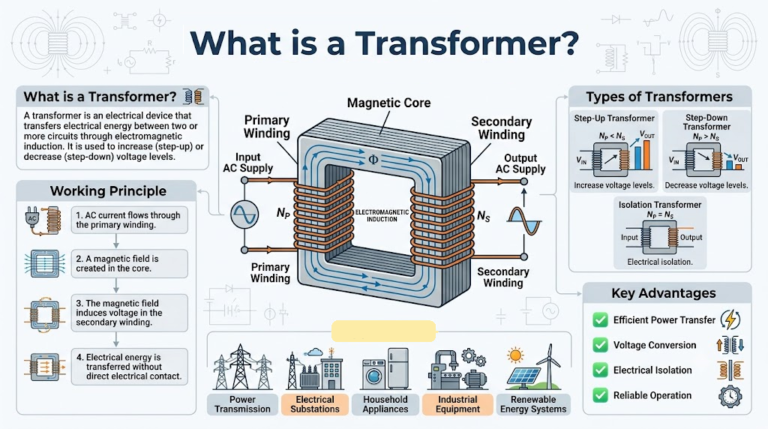
Learn transformer operation, turns-ratio calculations, common types, losses and isolation limits, with a labeled two-winding diagram.
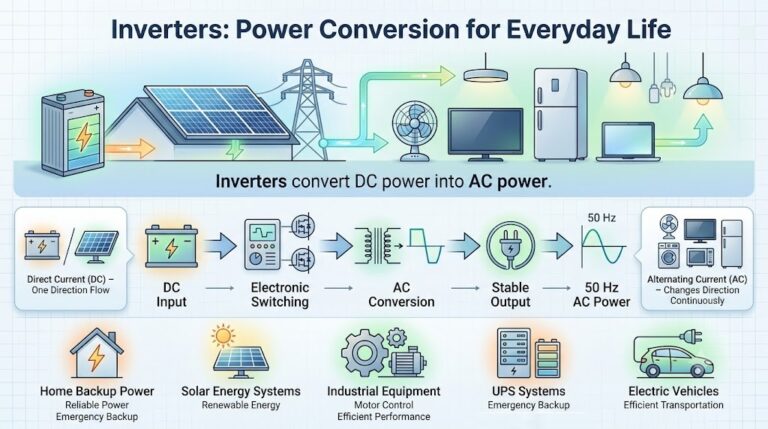
Learn how inverters convert DC to AC, compare output waveforms, and check efficiency, surge capacity, source requirements and load compatibility.
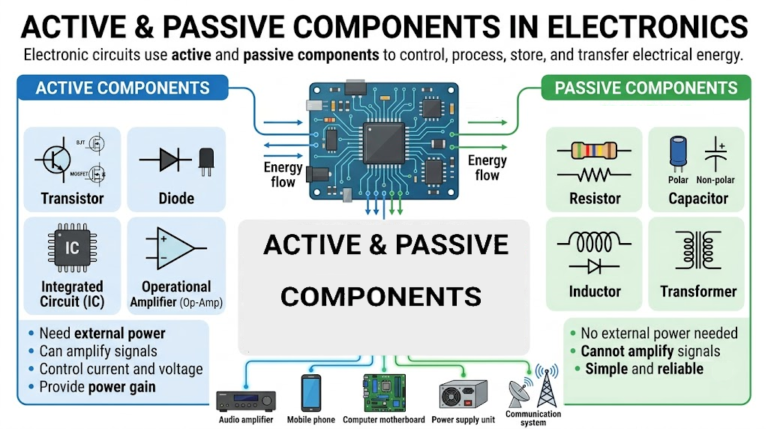
Compare active and passive components using power gain, understand why passive circuits can increase voltage, and see how terminology varies for diodes.
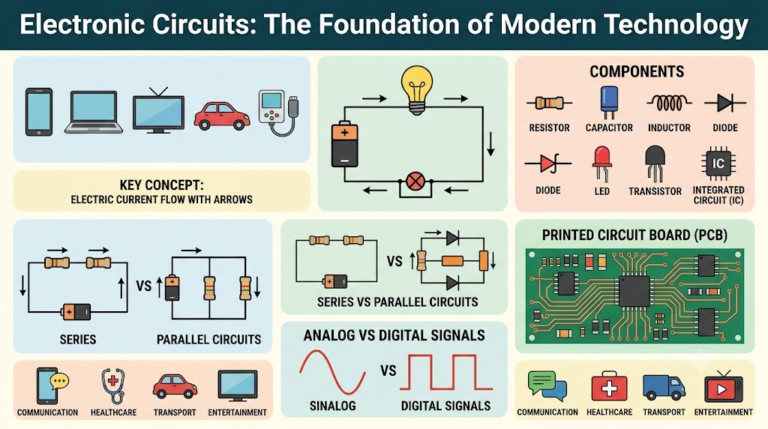
Electronic circuits are the backbone of modern technology, powering everything from smartphones to computers and home appliances. This guide explains how circuits work, their key components,…
A beginner-friendly guide explaining UART, SPI, I2C, and CAN communication protocols used in embedded systems for reliable and efficient data exchange.
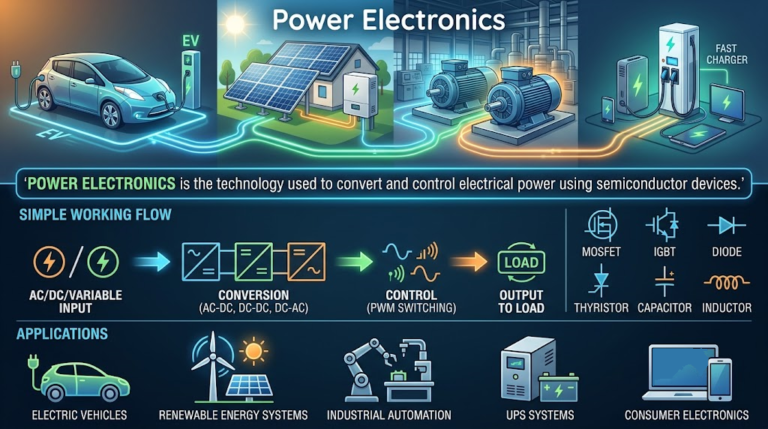
A beginner-friendly guide to power electronics explaining how electrical power is converted and controlled using semiconductor devices in modern engineering applications.
A beginner-friendly guide to VLSI design explaining what it is, how integrated circuits are designed, key stages of VLSI flow, and its applications in modern electronics.
Learn how electric motors produce torque, compare common motor types, and calculate speed, shaft power and efficiency with practical examples.
Compare 11 sensor types, their physical principles, signal interfaces, calibration needs and practical limitations.
A beginner-friendly introduction to PCB design explaining what it is, why it is important, PCB layers, tools used, and a step-by-step design process.
A simple and detailed guide explaining MOSFET vs BJT differences, including structure, working principles, features, advantages, limitations, and real-world applications.
Explore embedded-system hardware, firmware, system types and timing requirements, including why dedicated purpose does not automatically mean real-time operation.
Compare typical MCU and MPU integration, memory, peripherals, software and timing requirements, with qualifications for modern processors and development boards.
Learn what a microcontroller is, its architecture, working principle, types, and real-world applications in embedded systems.