


Railway surveillance and security are systems designed to keep the railway environment safe from threats, ensure passenger safety, and protect railway infrastructure. This includes monitoring the tracks, stations, trains, and even the people on board. Let’s break it down in an easy way:
1. What is Railway Surveillance and Security?
Railway surveillance and security systems are a combination of technologies and procedures used to detect, prevent, and respond to threats or emergencies on the railway. These systems focus on keeping passengers, staff, and infrastructure safe from accidents, theft, vandalism, terrorism, or any other danger.
2. Why is Railway Surveillance and Security Important?
- Passenger Safety: Protects passengers from accidents, theft, or potential terrorist threats.
- Infrastructure Protection: Safeguards railway stations, tracks, signals, and other facilities from damage or vandalism.
- Crime Prevention: Helps prevent crimes such as theft, vandalism, or violence on trains and in stations.
- Quick Response to Emergencies: Helps security teams quickly detect and respond to any emergencies or safety issues.
3. Key Types of Railway Surveillance and Security Systems:
a. Closed-Circuit Television (CCTV) Surveillance:
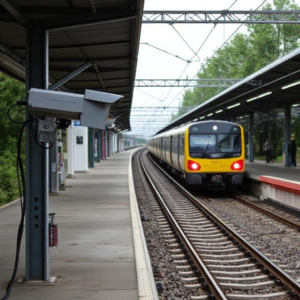
- How it Works: CCTV cameras are placed in stations, on trains, and sometimes along tracks to monitor activities. These cameras send live video feeds to security teams who can watch for suspicious behavior or incidents.
- Why it’s Important: CCTV helps detect crimes (like theft or vandalism), monitor crowds, and ensure that no dangerous behavior is happening. In case of an emergency or crime, CCTV footage can also be used to investigate what happened.
- Example: If there’s a fight or suspicious behavior at a train station, the security team can spot it through the cameras and take action immediately.
b. Motion Detection Sensors:
- How it Works: These sensors detect movement on or near the tracks, in stations, or around railway facilities. They can trigger alarms if someone enters restricted areas or if there’s unusual activity.
- Why it’s Important: Motion detection is used to alert security teams to potential threats, like people trespassing on tracks, or if a train or station is being tampered with.
- Example: If someone tries to sneak into a restricted track area, the motion sensors can trigger an alarm to warn security personnel.
c. Access Control Systems:
- How it Works: Access control systems regulate who can enter certain areas of the railway, such as station control rooms, maintenance areas, or secure platforms. It may involve security badges, biometric scans (like fingerprint scanning), or security gates.
- Why it’s Important: Access control ensures that only authorized personnel can enter sensitive areas, protecting them from unauthorized access, theft, or sabotage.
- Example: Only authorized railway staff can enter the engine maintenance rooms or the control center.
d. Emergency Communication Systems:
- How it Works: In case of an emergency, passengers and staff can use emergency communication systems (such as emergency phones or intercoms) to contact security or control centers.
- Why it’s Important: Quick communication during emergencies is crucial to respond fast, whether it’s a medical emergency, fire, or security threat.
- Example: If someone is feeling unwell or if there is a suspicious person on the train, passengers can use the emergency phone to alert train crew or security.
e. Intruder Detection Systems (IDS):
- How it Works: IDS are used to detect unauthorized people trying to access restricted railway areas (like tunnels, stations, or maintenance yards). These systems use cameras, sensors, and alarms to identify intruders and notify security personnel.
- Why it’s Important: Prevents trespassing and ensures that dangerous areas are protected from unauthorized access.
- Example: If someone tries to enter a train depot after hours, an alarm goes off to notify security.
f. Passenger Screening and Bag Scanners:
- How it Works: In some stations, especially in high-security areas, passengers and their bags are screened using metal detectors, X-ray machines, or explosive detection systems to check for dangerous items (like weapons or explosives).
- Why it’s Important: These systems are used to detect threats before passengers board the trains, preventing any dangerous materials from getting onboard.
- Example: At busy stations or during large events, passengers may be required to walk through a metal detector, and their bags may be scanned for security.
g. Automatic Number Plate Recognition (ANPR):
- How it Works: ANPR cameras are used to capture and read the license plates of vehicles entering or leaving railway stations, parking lots, or maintenance areas.
- Why it’s Important: This system helps identify suspicious vehicles or individuals and can be used for tracking and security purposes.
- Example: If a car enters a railway station parking lot and leaves suddenly, ANPR can be used to track the car’s license plate for investigation.
h. Real-Time Monitoring and Control Centers:
- How it Works: The control center acts as the nerve center of railway surveillance. It collects data from CCTV cameras, sensors, emergency communication systems, and other security systems. Security staff can monitor these feeds in real time, detect suspicious behavior, and dispatch officers when needed.
- Why it’s Important: A central control center helps ensure a quick response to any threat or emergency by having all data and communication in one place.
- Example: If a passenger reports a suspicious package, the control center can immediately check the CCTV feeds to confirm the threat and send security teams to investigate.
i. Drone Surveillance (in some advanced systems):
- How it Works: Drones can be used to fly over train stations, yards, or tracks to monitor activity from above. They can be equipped with cameras and thermal imaging to detect unusual activity or people in restricted areas.
- Why it’s Important: Drones provide a flexible and efficient way to monitor large or hard-to-reach areas without the need for fixed cameras.
- Example: Drones can fly over remote tracks to check for trespassers or inspect for damage after a storm.
4. How Railway Surveillance and Security Systems Work Together:
All of these systems work together to create a secure railway environment:
- CCTV cameras and motion sensors monitor public areas for any suspicious activity.
- Access control systems prevent unauthorized personnel from entering restricted areas, like train depots or maintenance facilities.
- Emergency communication systems allow for quick responses to incidents.
- Intruder detection and real-time monitoring help identify threats and ensure quick action is taken.
- Passenger screening at stations prevents dangerous items from being carried onto trains.
- ANPR and drones can assist in monitoring vehicles and remote areas.
5. Advantages of Railway Surveillance and Security Systems:
- Crime Prevention: Surveillance and security measures help prevent crimes like theft, vandalism, or even terrorism.
- Fast Response: Quick detection of threats allows security to respond immediately, keeping passengers and staff safe.
- Peace of Mind: Passengers and staff feel safer knowing that there are surveillance and security systems in place to protect them.
- Prevention of Accidents: Surveillance also helps detect potential hazards on tracks or trains, preventing accidents before they happen.
6. Challenges of Railway Surveillance and Security:
- High Costs: Installing and maintaining surveillance and security systems can be expensive for railway operators.
- Privacy Concerns: The use of cameras and monitoring systems can raise privacy concerns for passengers, so these systems must be used responsibly.
- Technology Reliability: Surveillance systems need to work reliably in all conditions (day/night, weather, busy stations), and any system failure could lead to security lapses.
- Complexity of Managing Large Networks: Railway networks often cover vast areas, and managing surveillance and security systems across these large areas can be challenging.
In Summary:
Railway surveillance and security systems are designed to keep the railway environment safe from threats, accidents, and crimes. They include technologies like CCTV cameras, motion sensors, access control, emergency communication, and passenger screening. These systems work together to monitor activities, prevent dangerous situations, and respond quickly to emergencies, ensuring that passengers, staff, and infrastructure are protected.
Keywords: Railway Surveillance, Railway