

Skip to content
EasyEngineeringHub Logo

Welcome to EasyEngineeringHub

☰
🔍
🔔
🔍
  • Home
  • Tutorials
    Electronics Computer Science Mechanical Physics Skill Development
  • Quiz
    Electronics Quiz CS Quiz Physics Quiz Mechanical Quiz Professions Quiz
  • Blogs
    Electronics Computer Science Mechanical Physics General Knowledge Education & Personal Development
  • Resources
    Course Index Project Hub Data Analysis JobQuest Careers AI Tools
🔔
  • Home
  • Tutorials
    Electronics Computer Science Mechanical Physics Skill Development
  • Quiz
    Electronics Quiz CS Quiz Physics Quiz Mechanical Quiz Professions Quiz
  • Blogs
    Electronics Computer Science Mechanical Physics General Knowledge Education & Personal Development
  • Resources
    Course Index Project Hub Data Analysis JobQuest Careers AI Tools

Empowering engineering students with clear, foundational knowledge to master key concepts and succeed academically and professionally.

×
×
Easy Engineering Hub Logo Subscribe to EasyEngineeringHub

Thank You!

Thank you for subscribing to EasyEngineeringHub.

Railway Accident Investigation and Disaster Management : Explain

BY ADMIN February 14, 2025

Railway accidents, though rare, can happen, and when they do, it’s essential to have systems in place to investigate the cause and manage the disaster. These processes help prevent future accidents and ensure that affected people and areas receive the necessary support quickly. Let’s break it down in an easy-to-understand way.
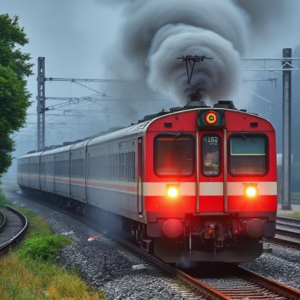


1. What is Railway Accident Investigation?

Railway accident investigation is a process that takes place after a train accident. The goal is to find out why the accident happened and what could have been done to prevent it.

Key Steps in Investigation:

  • Immediate Response: As soon as an accident occurs, authorities like the Railway Protection Force (RPF) and emergency teams are dispatched to the accident site. Their first task is to ensure that people are safe and help those who are injured.
  • Gathering Evidence: Investigators collect all the facts and evidence at the site of the accident. This includes:
    • Train data: Checking data from black boxes (just like in airplanes) to see if there were any mechanical issues.
    • Track inspection: Inspecting the train tracks to check for any damage or defects.
    • Eyewitness accounts: Talking to passengers, staff, and anyone who saw the accident happen.
  • Analyzing Causes: The investigation team looks at the following to figure out what went wrong:
    • Human error: Was the driver or another staff member at fault? Did they miss a signal or make a mistake?
    • Technical failure: Did the train or the tracks have any mechanical or electrical problems?
    • Weather conditions: Was there fog, heavy rain, or other weather issues that caused the accident?
    • Sabotage or vandalism: Was there any deliberate tampering with the tracks or the train?
  • Report and Recommendations: After gathering all the facts, the investigators write a report detailing the cause(s) of the accident and recommend safety improvements to prevent similar accidents in the future. This might include things like upgrading technology, better training for staff, or changes in how the rail system operates.

2. What is Disaster Management in Railways?

Disaster management refers to the actions taken before, during, and after a railway disaster (like a major train crash) to minimize damage and help people recover. It’s about having a plan in place to deal with accidents quickly and efficiently.

Key Components of Disaster Management:

  • Preparedness: Preparing for potential accidents or disasters before they happen. This includes:
    • Training railway staff: Staff members like train drivers, conductors, and station managers are trained in how to handle emergencies, provide first aid, and communicate quickly.
    • Safety measures: Installing safety systems on trains and tracks, like automatic braking systems, and ensuring there are fire extinguishers and emergency exits.
    • Emergency drills: Regular emergency drills are conducted to practice how to respond to accidents and train crashes. This ensures everyone knows what to do in case of a real disaster.
  • Response: This is what happens during and immediately after an accident or disaster. It includes:
    • Rescue operations: After an accident, rescue teams rush to the scene to save lives and help the injured. This could involve ambulances, firefighters, and police.
    • Medical care: Hospitals and emergency medical teams are put into action quickly to treat the injured. First aid is given at the accident site, and seriously injured people are taken to nearby hospitals.
    • Clearing the tracks: The first thing after an accident is to clear the tracks to make sure trains can resume running. Special teams work to remove debris and wreckage.
  • Recovery: After the immediate dangers are dealt with, recovery efforts focus on helping the affected people and restoring normalcy. This includes:
    • Compensation for victims: The government or railway authorities may offer financial support or compensation to the victims and their families.
    • Restoring services: After clearing the site, the railway services are brought back to normal as quickly as possible. This involves checking the integrity of the tracks, signals, and stations.
    • Emotional support: Sometimes, people affected by accidents, especially survivors or families of victims, need psychological support. Trained counselors or support groups may be available to help them through this tough time.

3. Key Safety and Disaster Management Systems in Indian Railways

To reduce the chances of accidents and manage disasters better, Indian Railways uses several modern technologies and safety measures.

a. Train Collision Avoidance Systems (TCAS):

  • This system automatically prevents train collisions by sending signals to the driver if another train is approaching too quickly. It helps avoid accidents caused by human error or signal failure.

b. Automatic Train Protection (ATP):

  • ATP ensures that trains don’t exceed speed limits or run past signals. It helps in maintaining safe distances between trains, especially in areas where human supervision is difficult.

c. Fire Safety Systems:

  • Indian Railways has special fire safety measures on trains and at stations. Trains are equipped with fire extinguishers, and stations have fire alarms and sprinklers to manage fires.

d. Surveillance Systems:

  • CCTV cameras at stations and in trains help monitor activities. In case of an accident, these cameras provide valuable information to investigators.

e. Disaster Response Teams:

  • Specialized teams, such as the Railway Disaster Management Units, are ready to handle major accidents. These teams are trained to quickly respond to accidents with necessary equipment and personnel.

4. Recent Improvements in Railway Safety

Indian Railways has made significant progress in improving railway safety to prevent accidents and manage disasters:

  • Dedicated Freight Corridors: These separate freight and passenger trains, reducing the chances of accidents caused by overcrowding or schedule conflicts.
  • Modern Signaling Systems: Advanced signaling helps prevent accidents by improving communication between trains and railway stations.
  • Upgraded Track Maintenance: Regular checks and maintenance of railway tracks ensure that they are in good condition and reduce the risk of derailments.

5. Challenges in Railway Accident Management

Despite all the safety measures in place, some challenges remain in railway accident management:

  • Overcrowding: In some areas, trains can be very crowded, which makes evacuation or rescue efforts more difficult.
  • Old Infrastructure: Some parts of the railway network still use old tracks or equipment, which can increase the risk of accidents.
  • Human Error: Even with technology, human mistakes, like a driver not following the signals or not reacting in time, can sometimes cause accidents.
  • Weather Conditions: Bad weather, like fog or heavy rain, can make it harder for drivers to see the tracks or signals, leading to accidents.

6. Conclusion

Railway accident investigation and disaster management are critical in ensuring the safety of passengers and the smooth operation of Indian Railways. The investigation helps identify the causes of accidents, while disaster management ensures that the affected people are helped quickly and that normal services resume as soon as possible.

Indian Railways has made major strides in improving safety through advanced technologies and better training for staff. However, challenges still remain, and efforts are continuously being made to reduce accidents and manage disasters in the best possible way.

The goal is always to prevent accidents in the first place and ensure that if something goes wrong, it is handled in the most efficient and compassionate way possible.
Keywords: Indian Railway, Railway

Tags: 21st Century Innovations, Accident Investigation, advanced communication systems., Advanced Signaling for High-Speed Rail, Advanced Track Switching, Advanced Train Control, Advanced Weather Monitoring, Advancements in Signaling, Age of Automation, Annual Budget Forecasting, Anti-Accident Technologies, Artificial Intelligence, Automated Ticketing, Automatic Train Identification (ATI), Automatic Train Operation (ATO), Behavioral Analytics, Big Data Analytics, Big Data in Railway Management, Border Security, Border Security and Control, Budget and Funding, carbon footprint reduction, Cargo and Containerization, Challenges and Opportunities, Challenges Faced, Challenges in Freight Management, Challenges in Hilly Areas, Challenges of Electric and Diesel Engines Integration, Civil Services Examinations, Cleanliness Initiatives, Coal Transport, Collaboration with Startups, collision avoidance, Collision Prevention Technology, Comfort Systems, Commercial Development, Communication Protocols, community engagement, Connected Logistics Hubs, Construction and Engineering, Construction of Railway Bridges, continuous improvement, Corporate Social Responsibility (CSR), crisis management, Cross-Border Communication, Crowd Management, Customer Service Innovations, Cybersecurity, data analytics, Data Communication Systems, Data encryption, data privacy, Dedicated Freight Corridors (DFC), Dedicated Passenger Corridors, Design and Architecture of Stations, Development of Railway Coaches, Digital Communication, Digital Infrastructure Development, digital innovation, Digitization of Operations, Disaster Management Communication, Division Structure, Eco-Friendly Rail Projects, Eco-Tourism, Economic Growth Role, economy, Education, Education and Research Centers, Education and Skill Development, Electric Train Propulsion, Electrification Systems, Electronic Gate Systems, Electronic Signaling, Elevated Rail Corridors, Emergency Alert Systems, emergency response, Emergency Response Systems, emergency services, Emergency Systems, Energy Efficiency, Environment Conservation, Environmental Conservation, Environmental Protection, environmental regulations, Export of Railway Equipment, facial recognition, fiber optic communication, Financial Strategies, food security, Freight and Logistics Solutions, Freight Services, Freight Services for Agriculture, Freight Tracking Systems, funding, Future of Indian Railways, Future of Mobility, future technologies., gender equality, Geographical Distribution of Railway Zones, Global Recognition, Government Policies, GPS Train Tracking, Green Initiatives, Healthcare, Heavy Goods Transport, Historical Milestones, History and Evolution, Housing Development Projects, Impact of Train Accidents, Impact on Agriculture, Impact on Indian Politics, Impact on Industrial Growth, Indian Railway, Indian Railway Policies, Indian Railway Services, Indian Railways Global Context, Indian Railways Services, Industrial Clusters, Infrastructure, Infrastructure Challenges, infrastructure development, Infrastructure Financing, Initiatives, innovation, Innovation and Research, Innovation in Train Scheduling, Innovations in Communication, Innovations in Passenger Security, Integrated Traffic Control, Integration with Other Transport Modes, intelligent transportation systems, International Collaboration, International Comparisons, International Exhibitions, International Projects, international trade, IoT integration, IRAS, IRPS, IRSE, IRSS, IRTS, Job Creation Programs, job opportunities, Job Profiles, Land Acquisition Challenges, Land Leasing, Logistics Partnerships, Long-Distance Travel Challenges, Long-Term Vision, Low-Cost Rail Travel Initiatives, Maintenance Centers, Maintenance of Stations, Maintenance Practices, Managing Migration, minerals, Mobile Communication Networks, Modernization of Coaches, Modernization Projects, Museums, National Defense, National Railways Development Corporation (NRDC), national security, Natural Disasters, Network Interference, network optimization, New Lines in Remote Areas, New Projects, Noise and Vibration Reduction, Noise Monitoring, oil, Onboard Data Logging, operations, Organization and Structure, Parcel Services, Passenger and Freight Services, Passenger Complaint Management, Passenger Feedback, Passenger Safety, Passenger Security, Personnel Training, Pilgrimage Trains, Private Investments, Private Sector Participation, Projects and Funding, Public Awareness Programs, public engagement, Public Health Programs, Public Safety at Stations, public transport, public-private partnerships, Punctuality, Rail Budget vs General Budget, Rail Safety Education, Railway and Aviation Integration, Railway Communication Networks (GSM-R), Railway Electrification, Railway Engineering, Railway Line Expansion, Railway Recruitment, Railway Recruitment Board Exams, Railway Simulation Systems, Railway Theories, Railway Ticketing Fraud Prevention, Railway Tourism, Railway-Based E-Commerce, Railway's Impact on Urbanization, Railways and Supply Chain Management, Real-Time Location Monitoring, Recruitment, Regional Development, Regional Economic Impact, remote control systems, research and development, RFID Implementation, Road Safety Integration, Robust Communication in Remote Areas, Role During Festivals, Role During Natural Disasters, Role in Export Economy, Role in National Integration, Role in Urbanization, Role of 5G, Role of Railway Zones, rural connectivity, rural development, Safety and Accident Prevention Systems, Safety and Security Policy Initiatives, Safety Engineering, Safety Features, Safety Initiatives, Safety Protocols, safety systems, Safety Technologies, Satellite communication, Satellite-Based Positioning, Security, Semi-High-Speed Rail, Signal and Switch Automation, signal synchronization, Signaling Systems, Signals and Communication Systems, Smart Coaches, Smart Grid Integration, smart infrastructure, Smart Logistics Centers, Smart Rail Track Systems, Smart Railway Stations, Smart Railways Technology, Smart Stations, social impact, social welfare, society, Station Redevelopment Projects, Station Upgrades, Station-Integrated Shopping Malls, Studies, Summary of Indian Railways, Supply Chain Management Role, surveillance, Sustainability, Technologies, Technology and Automation in Maintenance, Technology in Safety, Telecommunication networks, Theft and Vandalism Prevention, Track Circuit Systems, Track Gauge System, Track Health Monitoring, Track Inspection Communication, Trackbed Monitoring, Traffic Flow Management, traffic management, Train Communication Systems, Train Condition Monitoring, Train Data Recording, Train Engine Design, Train Monitoring Systems, Train Positioning Systems, Train Power Systems, Train Running Time, Train Signaling and Control Systems., Train Station Security Systems, Train Timetable Management, Train Tracking and Positioning, Train Types in India, Train Weight Detection, Train-to-Trackside Communication, Training and Skill Development, Trains and Stations, Trains for Students, Transportation of Agricultural Products, tunnels, Types of Trains, Use of Drones, waste management, water conservation, Wheel and Axle Monitoring, workforce development, workforce training, Workshop Modernization, workshops, Workshops and Production Units, Zones and Divisions

Post navigation

Indian Railways’ Role in Economic Growth : Explain
Implementation of RFID in Railways : Explain

Recent Posts

  • The Impact of Education on Personal and Social Development
  • Career Planning and Development: Foundations for a Successful Future
  • Internships: Where Your Career Journey Begins
  • Building Your Career: Resume Writing and Job Interview Tips
  • Skills for the Future: Global Strategies for Employment Growth

Recent Comments

No comments to show.

Archives

  • May 2025
  • April 2025
  • March 2025
  • February 2025
  • January 2025
  • December 2024

Categories

  • AC Circuits
  • Advanced Digital Techniques
  • Advanced Electronics Components
  • Advanced VLSI Technologies
  • Amplifiers
  • Basics Electronics
  • Cellular Networks
  • Circuit Analysis and Simulation
  • Circuit Basics
  • Circuit Design Techniques
  • Circuit Theory and Design
  • Circuits
  • Communication Systems
  • Computer Science
  • Connectivity Modules
  • Control System
  • DC Circuits
  • Design
  • Digital Design
  • Digital Electronics
  • Digital Fundamentals
  • Diode
  • E-commerce
  • Economic Growth
  • Education & Personal Development
  • Electrical
  • Electricity
  • Electromechanical
  • Electronic Design and Manufacturing
  • Electronics
  • Embedded Systems
  • Energy
  • Environment
  • General Knowledge
  • Health Care
  • Indian Government
  • Integrated Circuits
  • Magnetic Materials
  • Material Science
  • Measuring instruments
  • Mechanical
  • Memory and Storage
  • Microcontrollers
  • Network Security
  • Optical Communication
  • Optoelectronics
  • Oscillators
  • Other Components
  • PCB Design
  • Physics
  • Power Electronics and Energy Systems
  • Railway
  • Rectifiers and Filters
  • RF Electronics
  • Secure Communication Protocols
  • Semiconductor Basics
  • Sensors
  • Signal conversion
  • Skill Development
  • Specialized Components
  • Thermal Management
  • Transistors
  • Uncategorized
  • Vision Systems
  • VLSI (Very-Large-Scale Integration)
  • Waveforms
  • Privacy Policy
  • Disclaimer
  • Terms & Conditions
  • Home
  • Contact Us
  • About Us

© 2025 All Rights Reserved | easyengineeringhub.in

↑