


Public Safety and Security at Railway Stations Explained
Let’s break down the importance of public safety and security at railway stations in an easy way so you can understand it clearly.
Railway stations are busy places where thousands of people travel through every day. So, it’s important to make sure everyone is safe and secure while they’re there. Let’s dive into why this is important and how it’s done.
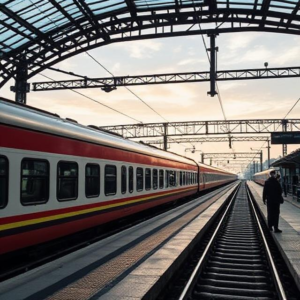
1. Why is Safety and Security Important at Railway Stations?
Railway stations are places where people wait for trains, buy tickets, and sometimes even transfer between trains. Since they are crowded and have a lot of people coming and going, safety and security are a top priority. Here are the reasons why:
- Large Crowds: Thousands of people visit railway stations every day, making it a place where accidents, thefts, or emergencies could happen more easily.
- Vulnerable Areas: Trains can be fast-moving, and there are platforms where people could accidentally fall or get injured.
- Risk of Crime: Just like any busy public place, there can be concerns about theft, vandalism, or even more serious threats, which makes security measures essential.
2. Types of Safety Measures at Railway Stations
Railway stations have many different safety measures in place to protect passengers. These measures help prevent accidents, ensure that trains run on time, and keep everything secure.
a. Physical Infrastructure for Safety
- Platforms and Barriers: Railway stations have barriers or fences along the platforms to keep people from wandering too close to the tracks. This helps prevent accidents like falls or people walking onto the track.
- Signs and Instructions: Clear signs and instructions are placed around the station to help passengers know where to wait for their trains, where the exits are, and how to stay safe. This is especially important for people who may be new to the station or the area.
- Lighting: Well-lit stations are important for safety, especially in the evening. Proper lighting helps passengers see clearly and avoid accidents like tripping or falling.
b. Security Personnel
- Security Guards: Most stations have security guards who patrol the station, ensuring that everything is safe. They can quickly respond to emergencies and help people if they’re lost or have problems.
- Police Presence: Many larger railway stations also have police officers available for serious situations. They can handle crimes, crowd control, or any other safety-related concerns.
c. Surveillance Systems
- CCTV Cameras: Most railway stations have a network of surveillance cameras (CCTV) that monitor every corner of the station. These cameras help keep an eye on what’s happening in real-time, deterring crime and allowing security staff to respond to any incidents quickly.
- Monitoring Areas: Security teams watch CCTV feeds to spot any unusual activity and can alert police or station staff if something happens. This helps to prevent crimes like theft or vandalism.
3. Emergency Preparedness and Responses
Accidents or emergencies can happen anywhere, so railway stations are equipped to handle these situations effectively:
a. Emergency Exits and Evacuation Routes
- Clear Exit Signs: Stations must have clear and easily accessible emergency exits for passengers to use if there’s a need to evacuate. These are usually marked with bright green or red exit signs.
- Evacuation Plans: In case of an emergency (like a fire or natural disaster), the station will have a plan to help evacuate passengers quickly and safely. There will be trained staff to guide people to safety.
b. Fire Safety
- Fire Extinguishers: Fire extinguishers are placed at strategic locations throughout the station to put out small fires before they spread.
- Sprinkler Systems: Many stations have sprinkler systems that can automatically put out a fire in case of an emergency.
- Fire Drills: Stations often conduct fire drills to make sure everyone knows what to do in case of a fire. This includes both staff and passengers.
c. First Aid Kits and Medical Help
- First Aid Kits: First aid kits are kept at various locations throughout the station for minor injuries like cuts, scrapes, or falls.
- Medical Assistance: Some larger stations have medical staff or first-aid stations where injured passengers can receive help quickly until emergency medical teams arrive.
4. Preventing Crimes and Enhancing Security
In busy railway stations, preventing crime is a major concern. Here’s how it’s done:
a. Passenger Awareness
- Education: Passengers are often educated about safety through announcements, posters, or signs. This may include reminders to stay aware of their surroundings and report any suspicious activity.
- Lost & Found: Stations have lost and found services to help people who have misplaced their belongings. This helps prevent theft and ensures lost items are returned to the rightful owner.
b. Ticket and Luggage Checks
- Ticket Checking: Some stations have staff who check tickets before people can enter the platform, making sure only passengers who have paid are in the restricted areas.
- Baggage Scanning: Security staff may inspect passengers’ luggage or use x-ray machines to check for dangerous items like weapons or explosives.
c. Screening for Dangerous Items
- Metal Detectors: At some stations, especially in bigger cities or during special events, metal detectors are used to screen passengers for dangerous items like guns or knives.
- Baggage Scanners: These machines are used to check larger luggage or bags for any items that could pose a security risk.
5. Public Safety Communication
Communication is key to ensuring that passengers are always informed about safety, security, and potential threats:
a. Public Announcements
- Clear Instructions: Train stations use loudspeakers to make important announcements regarding safety, train delays, or emergency alerts. This helps passengers know what to do in case of an emergency.
- Security Alerts: In case of any threat or emergency, loudspeakers can also alert passengers and staff about safety measures they need to follow.
b. Information on Safety
- Safety Information: Stations display safety information on posters, screens, or digital boards. This includes instructions on how to act in case of fire, where to find the first aid station, and who to contact in an emergency.
6. Special Measures for Vulnerable Passengers
Stations also focus on the safety of specific groups of people, like children, elderly passengers, and those with disabilities:
- Assistance Services: Some stations offer special services like helping elderly people or those with disabilities to get on and off trains safely.
- Safe Waiting Areas: Vulnerable passengers might have designated areas to wait for their trains, which are monitored by security staff to ensure safety.
Conclusion
Public safety and security at railway stations are very important to protect passengers from accidents, crimes, and emergencies. Stations use many tools, including security guards, CCTV cameras, emergency systems, and clear signage, to keep everyone safe. There are also special measures in place to assist vulnerable passengers and make sure that everyone can travel with peace of mind.
By following these safety protocols, railway stations aim to make sure that people can travel efficiently and securely, with all their needs considered and protected.
Keywords: Indian Railway, Railway