

What is a Microprocessor ?
Microprocessors are used for tasks that require powerful processing capabilities, like running operating systems and complex applications. They need external components to work and are used in general-purpose devices like computers and smartphones.
A microprocessor is the central processing unit (CPU) of a computer or other device. It is a single-chip processor that carries out most of the tasks involved in computing, like processing data and executing instructions. It is primarily used in general-purpose computing devices like computers, laptops, and smartphones.
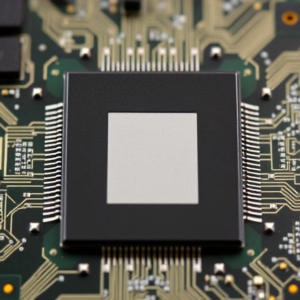
Features of Microprocessors:
CPU on a Single Chip: The microprocessor contains the core computational unit (the CPU), which performs all the calculations and controls the operation of the computer.
External Components: A microprocessor usually requires external components like memory(RAM, ROM), input/output devices, and peripherals (keyboard, display, etc.) to function.
Complex: It is designed to perform a wide range of tasks and can run complex software applications (like operating systems and programs).
Microprocessor Key Components:
- CPU (Central Processing Unit):
- The CPU is the “brain” of the microprocessor. It carries out all the computational tasks like arithmetic calculations, logic operations, data manipulation, etc.
- ALU (Arithmetic Logic Unit):
- The ALU performs mathematical and logical operations (like addition, subtraction, AND, OR, etc.).
- Control Unit (CU):
- The control unit fetches instructions from memory and decodes them to control the operations of the processor.
- Registers:
- Small, fast storage units within the CPU used to hold data and instructions temporarily during processing.
Characteristics:
- External Memory and I/O: Microprocessors don’t have built-in memory or I/O interfaces (like sensors, motors, or keyboards). These need to be added externally. The microprocessor typically interacts with external memory (RAM, ROM) and I/O devices (keyboard, display, etc.) via buses and controllers.
- Processing Power: Microprocessors are generally designed for high processing power and flexibility. They can handle complex operations, multitasking, and work with various external peripherals.
- General Purpose: A microprocessor is a general-purpose processor, meaning it can be used for a wide variety of tasks in computers, servers, and other devices where complex computations are required.
Applications:
- Computers: Desktops, laptops, and workstations.
- Smartphones: High-end devices where powerful computing is needed.
- Servers: For heavy data processing, computations, and multitasking.
- Gaming Consoles: Where processing power is essential for gaming applications.
Example of Microprocessors:
Personal Computers: The heart of desktops and laptops (e.g., Intel Core processors).
Smartphones: Microprocessors in smartphones run the operating system and apps.
Laptops/Tablets: These devices use powerful microprocessors to manage tasks.
What is a Microcontroller ?
Microcontrollers, on the other hand, are specialized devices that combine a processor, memory, and I/O functions on a single chip. They are designed for dedicated tasks in embedded systems, like controlling a washing machine, managing a car’s engine, or handling sensors in a robot.
A microcontroller, on the other hand, is a small computer on a single chip designed to handle specific tasks or control processes in embedded systems. It’s much more specialized and self-contained compared to a microprocessor.

Features of Microcontrollers:
All-in-One Chip: A microcontroller combines a CPU, memory (RAM, ROM), and input/output peripherals (like timers, communication interfaces) all on a single chip.
Designed for Specific Tasks: Microcontrollers are designed for dedicated applications, meaning they are optimized to control devices or process information for specific functions. For example, controlling a washing machine’s operations or managing the functions of a microwave.
Smaller, Cheaper, and Low Power: Microcontrollers are typically smaller in size, more affordable, and consume less power than microprocessors.
Microcontroller Key Components:
- CPU:
- Like the microprocessor, the CPU is the core that performs calculations and logic operations.
- Memory:
- RAM (Random Access Memory) for temporary data storage.
- ROM (Read-Only Memory), or Flash memory, for storing the program that controls the microcontroller’s actions.
- I/O Pins:
- Microcontrollers have built-in input/output pins that can be used to connect to various devices like sensors, switches, motors, or displays. These pins can be used for reading inputs or sending outputs.
- Timers and Counters:
- Microcontrollers often have built-in timers for tracking time or performing repetitive tasks at specific intervals.
- Communication Interfaces:
- Common communication protocols (like UART, SPI, I2C) are also built into many microcontrollers, allowing them to communicate with other devices.
- ADC/DAC (Analog-to-Digital and Digital-to-Analog Converters):
- Some microcontrollers include converters to handle analog signals, which is helpful for interacting with analog sensors like temperature sensors, light sensors, etc.
Characteristics:
- Integrated Components: Microcontrollers have all the necessary components (CPU, RAM, ROM, I/O) on a single chip, making them self-sufficient.
- Specialized Tasks: Microcontrollers are designed for specific applications, and they typically perform a single task, such as controlling a device or interacting with a sensor.
- Low Power Consumption: Microcontrollers are optimized for low power consumption, which is important for battery-powered devices.
- Cost-Effective: Due to their integration of multiple functions, microcontrollers are usually cheaper compared to systems that use a microprocessor and separate components.
- Real-Time Operations: Many microcontrollers are designed to handle real-time operations (e.g., controlling motors, turning on lights at specific intervals, etc.).
Applications:
- Embedded Systems: Used in devices like washing machines, microwaves, and toasters where they control specific tasks (turning motors on/off, managing timing functions, etc.).
- Arduino and Raspberry Pi: Popular in DIY electronics and hobby projects.
- Automobiles: Microcontrollers manage many in-car systems like airbags, anti-lock brakes, engine control, etc.
- Home Automation: Controls smart home devices like light systems, thermostats, and security cameras.
- Medical Devices: Used in devices like blood glucose monitors, pacemakers, and other medical equipment for monitoring and controlling functions.
Example of Microcontrollers:
Home Appliances: Microcontrollers control tasks like timing in microwaves or washing machines.
Automobiles: They manage engine control, airbags, and other car systems.
Robotics: Microcontrollers are used to control the movements and operations of robots.
Embedded Systems: Used in devices like digital cameras, printers, thermostats, and more.
Differences Between Microprocessors and Microcontrollers :
| Feature | Microprocessor | Microcontroller |
| Purpose | General-purpose computing (like running operating systems) | Specialized for controlling specific tasks in embedded systems |
| Components | Only the CPU (requires external memory and peripherals) | Contains CPU, memory, and I/O on the same chip |
| Complexity | More complex, designed for running software programs | Simpler, designed to handle specific tasks |
| Power Consumption | Higher power consumption due to its complexity | Lower power consumption, designed for efficiency |
| Cost | Generally more expensive due to its complexity | Typically cheaper and cost-effective for specific tasks |
| Size | Larger in size, especially when external components are added | Smaller, compact, all-in-one design |
| Examples | Used in computers, laptops, smartphones, and gaming consoles | Used in appliances, automobiles, medical devices, robots |
Summary:
- Microprocessors are powerful units used in general computing devices like computers and smartphones. They need external components for memory, I/O, and peripherals, and they are used in systems requiring high processing power.
- Microcontrollers, on the other hand, are used for specific tasks in embedded systems. They integrate all necessary components (CPU, memory, I/O) into a single chip and are typically used in applications like home appliances, robotics, and other devices where low power and simple control are key.