


Indian Railways and Healthcare might not be the first thing that comes to mind when you think of trains, but Indian Railways plays an important role in the healthcare sector as well. It helps provide essential healthcare services, manages health facilities for railway employees, and even offers medical assistance to passengers in need. Let’s explore how Indian Railways contributes to healthcare in a simple way.
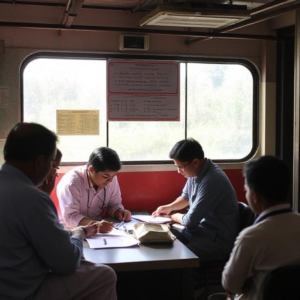
1. Healthcare for Railway Employees
Indian Railways is one of the largest employers in India, with millions of employees working in different roles. To ensure their health and well-being, the railways provide various healthcare services:
a. Railway Hospitals
- Indian Railways runs a network of railway hospitals and dispensaries for its employees and their families.
- These hospitals are spread across the country, and they provide medical treatments, emergency services, and health check-ups for railway workers and their families.
- Some of these hospitals are well-equipped with modern medical facilities, including operation theaters, ICU (Intensive Care Units), and specialist doctors.
b. Health Camps and Preventive Healthcare
- Indian Railways organizes regular health camps to check on the health of its workers. These camps might include blood tests, vision tests, vaccinations, and other health screenings.
- Preventive healthcare is a big focus, as the railways try to keep employees healthy and avoid illnesses by catching problems early.
c. Health Insurance for Employees
- Many railway employees are provided with health insurance and other benefits, which help cover medical costs for themselves and their families.
- This insurance covers hospitalization, surgery, and other healthcare needs, making sure that railway workers have access to medical services when needed.
2. Healthcare for Passengers
Indian Railways also looks after the health of its passengers. The health and safety of people traveling by train is a top priority, especially considering the large number of people who travel every day.
a. On-Board Medical Assistance
- On long-distance trains, especially premium trains like Rajdhani, Shatabdi, and Duronto, there are provisions for on-board medical assistance.
- Trains are equipped with a first aid kit, and some have a doctor on board or available through a telemedicine service in case passengers need medical help during their journey.
b. Railway Medical Services at Stations
- Major railway stations across India have medical facilities like first aid stations and pharmacies. These stations provide emergency treatment in case of accidents, illnesses, or medical emergencies.
- Trained paramedics and medical staff are present at the stations to provide quick medical care when needed.
c. Medical Emergency Services (108 Ambulance)
- In some regions, Indian Railways collaborates with emergency ambulance services like 108 ambulance to provide quick transport to hospitals in case of medical emergencies at stations or on trains.
d. Special Trains for Medical Aid
- Indian Railways operates special medical trains in some areas. For example, the “Railway Hospital Train” is used to deliver medical services to people in remote regions or areas with limited healthcare access.
- These trains are equipped with doctors, nurses, and medical equipment to provide healthcare to people in need, especially in rural areas.
3. Railway Hospitals in Special Zones
There are special zones where Indian Railways focuses on providing healthcare services to people. For instance:
a. Railway Cancer Hospitals
- In some cities, Indian Railways runs specialized hospitals focused on cancer treatment. These hospitals provide advanced treatments for cancer patients, and railway employees and their families get access to these services at affordable rates.
b. Railway Orthopedic and Cardiac Centers
- Indian Railways has developed specialized hospitals for orthopedic care (for bones and joints) and cardiac care (for heart diseases) in some regions. These hospitals offer specialized treatments and surgical services for these types of health issues.
4. Railway Ambulance Services
Indian Railways also has a dedicated railway ambulance service to help transport passengers in case of emergencies:
a. Emergency Medical Train Ambulances
- Railway medical ambulances are available to transport critically ill or injured passengers from stations to nearby hospitals or medical centers.
- These ambulances are equipped with necessary medical equipment and staffed with trained paramedics to provide immediate assistance.
b. Mobile Medical Units
- Indian Railways uses mobile medical units to offer medical help in areas with limited healthcare services. These mobile units can reach remote areas to provide primary healthcare services, vaccinations, and basic treatments to people who need it.
5. Health and Hygiene Awareness
Indian Railways also promotes health and hygiene awareness among its passengers to ensure better health for everyone traveling on trains.
a. Cleanliness Campaigns
- Indian Railways has launched several campaigns to keep trains and stations clean. The idea is that clean environments contribute to better health, preventing diseases and promoting hygiene.
b. Public Health Education
- The railways also distribute health information in the form of pamphlets, posters, or through announcements to raise awareness about healthy habits, disease prevention, and the importance of hygiene while traveling.
6. Collaboration with Government and NGOs
Indian Railways also collaborates with the government and non-government organizations (NGOs) to improve health services:
a. Collaboration for Vaccination Drives
- Indian Railways participates in national vaccination drives, such as for COVID-19, by setting up vaccination centers at major stations and providing support to health officials in conducting the drives.
b. Partnerships with NGOs
- Sometimes, NGOs or charitable organizations collaborate with Indian Railways to provide medical services, such as running health camps, blood donation drives, or offering health check-ups for passengers.
7. Challenges and Future Prospects
While Indian Railways does a lot to provide healthcare, there are still some challenges:
- Limited resources at some smaller stations.
- The need for more specialized medical services in certain regions.
However, Indian Railways is always working towards improving healthcare access, and there are plans to further upgrade facilities at stations and on trains in the future.
Conclusion
Indian Railways plays a significant role in providing healthcare to its employees, passengers, and people living in remote areas. It offers a wide range of services, including railway hospitals, first aid at stations, emergency medical assistance, and even special medical trains. Through its healthcare initiatives, Indian Railways ensures that people get the medical help they need, whether it’s for regular check-ups, emergencies, or specialized treatments. The railway system is a critical part of India’s healthcare infrastructure, helping save lives and improve the well-being of millions of people.
Keywords: Indian Railways, Railway