Energy efficiency in Indian Railways means using less energy to operate trains and other railway operations, while still maintaining high performance. Since Indian Railways is one of the largest and busiest railway networks in the world, improving energy efficiency is very important for reducing costs, saving resources, and protecting the environment. Let’s break down this concept in an easy-to-understand way:
1. Why is Energy Efficiency Important for Indian Railways?
- Cost Reduction: Fuel, especially diesel, is expensive, and energy-efficient operations can help save a lot of money.
- Environmental Protection: Railways, especially those using diesel engines, release a lot of greenhouse gases. By being more energy-efficient, Indian Railways can help reduce pollution.
- Sustainability: Using energy wisely helps Indian Railways become more sustainable in the long run, ensuring that it can continue to grow without wasting resources.
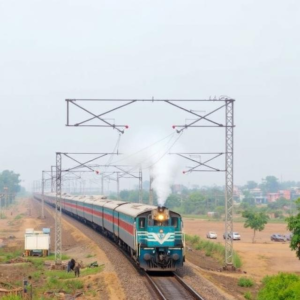
2. How Does Indian Railways Use Energy?
Indian Railways uses energy in several ways:
- Trains: Most trains run on either diesel or electricity.
- Stations: Energy is also used at railway stations for lighting, cooling, and running various systems.
- Other Operations: Energy is used for things like train maintenance, signaling systems, and controlling traffic on the tracks.
3. Key Strategies to Improve Energy Efficiency:
a. Electrification of Tracks:
- What is Electrification? Electrification means replacing diesel-powered trains with electric ones. Electric trains are more energy-efficient because they use electricity, which can be generated from renewable sources like wind or solar.
- Impact on Efficiency:
- Electric trains are faster and more efficient than diesel trains.
- They have lower operating costs and produce fewer pollutants.
- Indian Railways has been working to electrify more tracks across the country to make the system more energy-efficient.
b. Introduction of Vande Bharat Express:
- What is Vande Bharat Express? Vande Bharat Express is a semi-high-speed, energy-efficient train made in India. It runs at speeds of up to 160 km/h and is designed to use less energy compared to regular trains.
- How it Saves Energy:
- It has advanced aerodynamics (its design helps reduce air resistance), making it more fuel-efficient.
- The train is made with lightweight materials that help reduce energy consumption.
- It uses regenerative braking, which recovers energy when the train slows down.
c. Use of Renewable Energy (Solar and Wind Power):
- Solar Power: Indian Railways is installing solar panels on stations, rooftops of trains, and other infrastructure to generate renewable energy.
- For example, Ramagundam in Telangana became India’s first solar-powered train station.
- Solar power reduces dependence on electricity from non-renewable sources, cutting costs and carbon emissions.
- Wind Power: In some areas, wind energy is also being used to power railway operations. This reduces reliance on fossil fuels.
d. Upgrading to Modern Engines and Technology:
- Energy-Efficient Engines: Indian Railways has been introducing modern, energy-efficient engines that consume less fuel and emit less pollution.
- Train Monitoring Systems: New technologies help monitor train operations in real-time, ensuring that trains run at optimal speeds and energy use is minimized.
- Driver Assistance Systems help train operators drive in the most energy-efficient manner, using less power and reducing fuel consumption.
e. Energy-Saving Measures at Stations:
- LED Lighting: Many railway stations are replacing old lighting with energy-efficient LED lights, which use less electricity and last longer.
- Electricity Conservation: Energy-saving measures are also being taken at stations and offices, such as better air conditioning and automated lighting systems that turn off when not needed.
f. Regenerative Braking Systems:
- What is Regenerative Braking? Regenerative braking is a technology that allows trains to recover energy when slowing down. Instead of wasting the energy as heat (like traditional braking systems), the energy is sent back into the power grid or stored for later use.
- Impact on Efficiency:
- This helps reduce energy use and makes trains more fuel-efficient.
- It helps trains run more smoothly, saves energy, and cuts down on operating costs.
4. Benefits of Energy Efficiency in Indian Railways:
a. Reduced Operating Costs:
By using less energy, Indian Railways can save a lot of money on fuel and electricity. This savings can be used to improve services, build better infrastructure, and maintain the railway system.
b. Environmental Impact:
- Less Pollution: More electric trains and the use of renewable energy like solar power mean fewer carbon emissions, reducing the railway’s impact on the environment.
- Cleaner Air: Less use of diesel engines reduces air pollution in cities and towns along train routes.
c. Better Performance:
Energy-efficient trains like the Vande Bharat Express are not only good for the environment, but they also provide a faster, more comfortable travel experience for passengers.
d. Sustainability and Future Growth:
By becoming more energy-efficient, Indian Railways is ensuring that it can grow and expand without using up too many resources. It also helps in meeting government goals for reducing carbon emissions and increasing the use of renewable energy.
5. Future Plans to Improve Energy Efficiency:
- Complete Electrification of Tracks: Indian Railways is working towards 100% electrification of its network. This will replace most diesel trains with electric ones, further reducing fuel consumption.
- Increasing Solar Power Use: The railway system aims to increase the use of solar power, not only on stations but also for powering entire train operations.
- Energy-Efficient Trains: More modern, energy-efficient trains like Vande Bharat Express will be introduced to further improve energy savings.
Summary:
Energy efficiency in Indian Railways is about using less energy to run trains, stations, and other operations, while still delivering the best possible service. By electrifying tracks, using solar power, upgrading engines, and adopting new technologies, Indian Railways is working to reduce fuel consumption, save money, and protect the environment. These efforts will make the railway system more sustainable, cost-effective, and better for the planet in the long run.
Keywords: Indian Railway, Railway
Tags:
21st Century Innovations,
Accident Investigation,
advanced communication systems.,
Advanced Signaling for High-Speed Rail,
Advanced Track Switching,
Advanced Train Control,
Advanced Weather Monitoring,
Advancements in Signaling,
Age of Automation,
Annual Budget Forecasting,
Anti-Accident Technologies,
Artificial Intelligence,
Automated Ticketing,
Automatic Train Identification (ATI),
Automatic Train Operation (ATO),
Behavioral Analytics,
Big Data Analytics,
Big Data in Railway Management,
Border Security,
Border Security and Control,
Budget and Funding,
carbon footprint reduction,
Cargo and Containerization,
Challenges and Opportunities,
Challenges Faced,
Challenges in Freight Management,
Challenges in Hilly Areas,
Challenges of Electric and Diesel Engines Integration,
Civil Services Examinations,
Cleanliness Initiatives,
Coal Transport,
Collaboration with Startups,
collision avoidance,
Collision Prevention Technology,
Comfort Systems,
Commercial Development,
Communication Protocols,
community engagement,
Connected Logistics Hubs,
Construction and Engineering,
Construction of Railway Bridges,
continuous improvement,
Corporate Social Responsibility (CSR),
crisis management,
Cross-Border Communication,
Crowd Management,
Customer Service Innovations,
Cybersecurity,
data analytics,
Data Communication Systems,
Data encryption,
data privacy,
Dedicated Freight Corridors (DFC),
Dedicated Passenger Corridors,
Design and Architecture of Stations,
Development of Railway Coaches,
Digital Communication,
Digital Infrastructure Development,
digital innovation,
Digitization of Operations,
Disaster Management Communication,
Division Structure,
Eco-Friendly Rail Projects,
Eco-Tourism,
Economic Growth Role,
economy,
Education,
Education and Research Centers,
Education and Skill Development,
Electric Train Propulsion,
Electrification Systems,
Electronic Gate Systems,
Electronic Signaling,
Elevated Rail Corridors,
Emergency Alert Systems,
emergency response,
Emergency Response Systems,
emergency services,
Emergency Systems,
Energy Efficiency,
Environment Conservation,
Environmental Conservation,
Environmental Protection,
environmental regulations,
Export of Railway Equipment,
facial recognition,
fiber optic communication,
Financial Strategies,
food security,
Freight and Logistics Solutions,
Freight Services,
Freight Services for Agriculture,
Freight Tracking Systems,
funding,
Future of Indian Railways,
Future of Mobility,
future technologies.,
gender equality,
Geographical Distribution of Railway Zones,
Global Recognition,
Government Policies,
GPS Train Tracking,
Green Initiatives,
Healthcare,
Heavy Goods Transport,
Historical Milestones,
History and Evolution,
Housing Development Projects,
Impact of Train Accidents,
Impact on Agriculture,
Impact on Indian Politics,
Impact on Industrial Growth,
Indian Railway,
Indian Railway Policies,
Indian Railway Services,
Indian Railways Global Context,
Indian Railways Services,
Industrial Clusters,
Infrastructure,
Infrastructure Challenges,
infrastructure development,
Infrastructure Financing,
Initiatives,
innovation,
Innovation and Research,
Innovation in Train Scheduling,
Innovations in Communication,
Innovations in Passenger Security,
Integrated Traffic Control,
Integration with Other Transport Modes,
intelligent transportation systems,
International Collaboration,
International Comparisons,
International Exhibitions,
International Projects,
international trade,
IoT integration,
IRAS,
IRPS,
IRSE,
IRSS,
IRTS,
Job Creation Programs,
job opportunities,
Job Profiles,
Land Acquisition Challenges,
Land Leasing,
Logistics Partnerships,
Long-Distance Travel Challenges,
Long-Term Vision,
Low-Cost Rail Travel Initiatives,
Maintenance Centers,
Maintenance of Stations,
Maintenance Practices,
Managing Migration,
minerals,
Mobile Communication Networks,
Modernization of Coaches,
Modernization Projects,
Museums,
National Defense,
National Railways Development Corporation (NRDC),
national security,
Natural Disasters,
Network Interference,
network optimization,
New Lines in Remote Areas,
New Projects,
Noise and Vibration Reduction,
Noise Monitoring,
oil,
Onboard Data Logging,
operations,
Organization and Structure,
Parcel Services,
Passenger and Freight Services,
Passenger Complaint Management,
Passenger Feedback,
Passenger Safety,
Passenger Security,
Personnel Training,
Pilgrimage Trains,
Private Investments,
Private Sector Participation,
Projects and Funding,
Public Awareness Programs,
public engagement,
Public Health Programs,
Public Safety at Stations,
public transport,
public-private partnerships,
Punctuality,
Rail Budget vs General Budget,
Rail Safety Education,
Railway and Aviation Integration,
Railway Communication Networks (GSM-R),
Railway Electrification,
Railway Engineering,
Railway Line Expansion,
Railway Recruitment,
Railway Recruitment Board Exams,
Railway Simulation Systems,
Railway Theories,
Railway Ticketing Fraud Prevention,
Railway Tourism,
Railway-Based E-Commerce,
Railway's Impact on Urbanization,
Railways and Supply Chain Management,
Real-Time Location Monitoring,
Recruitment,
Regional Development,
Regional Economic Impact,
remote control systems,
research and development,
RFID Implementation,
Road Safety Integration,
Robust Communication in Remote Areas,
Role During Festivals,
Role During Natural Disasters,
Role in Export Economy,
Role in National Integration,
Role in Urbanization,
Role of 5G,
Role of Railway Zones,
rural connectivity,
rural development,
Safety and Accident Prevention Systems,
Safety and Security Policy Initiatives,
Safety Engineering,
Safety Features,
Safety Initiatives,
Safety Protocols,
safety systems,
Safety Technologies,
Satellite communication,
Satellite-Based Positioning,
Security,
Semi-High-Speed Rail,
Signal and Switch Automation,
signal synchronization,
Signaling Systems,
Signals and Communication Systems,
Smart Coaches,
Smart Grid Integration,
smart infrastructure,
Smart Logistics Centers,
Smart Rail Track Systems,
Smart Railway Stations,
Smart Railways Technology,
Smart Stations,
social impact,
social welfare,
society,
Station Redevelopment Projects,
Station Upgrades,
Station-Integrated Shopping Malls,
Studies,
Summary of Indian Railways,
Supply Chain Management Role,
surveillance,
Sustainability,
Technologies,
Technology and Automation in Maintenance,
Technology in Safety,
Telecommunication networks,
Theft and Vandalism Prevention,
Track Circuit Systems,
Track Gauge System,
Track Health Monitoring,
Track Inspection Communication,
Trackbed Monitoring,
Traffic Flow Management,
traffic management,
Train Communication Systems,
Train Condition Monitoring,
Train Data Recording,
Train Engine Design,
Train Monitoring Systems,
Train Positioning Systems,
Train Power Systems,
Train Running Time,
Train Signaling and Control Systems.,
Train Station Security Systems,
Train Timetable Management,
Train Tracking and Positioning,
Train Types in India,
Train Weight Detection,
Train-to-Trackside Communication,
Training and Skill Development,
Trains and Stations,
Trains for Students,
Transportation of Agricultural Products,
tunnels,
Types of Trains,
Use of Drones,
waste management,
water conservation,
Wheel and Axle Monitoring,
workforce development,
workforce training,
Workshop Modernization,
workshops,
Workshops and Production Units,
Zones and Divisions