
What Is Advanced Weather and Track Condition Monitoring?
In simple words, Advanced Weather and Track Condition Monitoring means using technology to keep an eye on both the weather and the condition of the railway tracks. This helps railway operators make sure trains are running safely and efficiently, even when the weather is bad or the track conditions are challenging.
Why Is It Important?
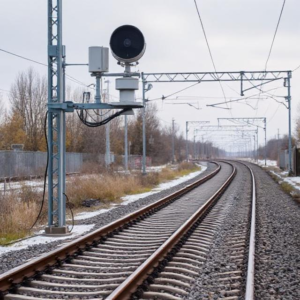
Weather and track conditions can directly affect how trains move. Bad weather like rain, snow, or fog can make tracks slippery or cause other problems. Likewise, if the tracks themselves are damaged or worn out, it could lead to accidents or delays. Monitoring these conditions helps prevent problems before they happen, improving safety and reducing delays.
Key Parts of Monitoring:
- Weather Monitoring
- What it is: This involves using special equipment to keep track of weather conditions around the railway system.
- How it works: Weather stations, sensors, and satellite data collect information about things like temperature, rain, snow, wind, and fog. This information is then sent to railway operators.
- Why it’s important: Weather can affect train safety. For example:
- Rain can make tracks slippery, causing trains to slide or lose grip.
- Snow and ice can build up on tracks or in signals, making it harder for trains to move or for signals to be seen.
- Strong winds can affect the train’s stability, especially on bridges or in open areas.
- Fog can reduce visibility, making it difficult for train operators to see signals or the track ahead.
Monitoring weather conditions allows operators to adjust train schedules or slow down trains when bad weather is expected, keeping everything safe.
- Track Condition Monitoring
- What it is: This involves checking the physical condition of the railway tracks, making sure they are in good shape for trains to safely run on them.
- How it works:
- Sensors on trains: These are placed on the trains themselves to gather data as the train moves. They can detect issues like cracks or damage to the tracks, uneven surfaces, or worn-out parts.
- Trackside sensors: These are sensors placed along the track that monitor things like temperature, pressure, or vibrations. They can detect problems with the track’s structure, like loose rails or misaligned tracks.
- Inspection vehicles: Some trains or vehicles are equipped with advanced technology (like cameras or lasers) that scan the tracks to find any issues, like cracks or defects.
- Why it’s important: Track conditions are critical to keeping trains safe. Even small issues can lead to accidents or delays. For example:
- Cracked or broken rails can cause a train to derail.
- Uneven tracks can cause trains to shake or make it harder for the train wheels to stay on track.
- Worn-out or rusty tracks can increase friction, causing more wear and tear on the train or even slowing it down.
By constantly monitoring the track, railway operators can identify issues early and make repairs before they lead to accidents or costly breakdowns.
How These Systems Work Together
Advanced Weather and Track Condition Monitoring often works hand-in-hand because bad weather can make track conditions worse. For example:
- Heavy rain can wash away parts of the track or make the track surface slippery, while sensors can detect this damage in real-time.
- Snow and ice can cause the track to expand or contract, affecting its alignment. Sensors can monitor this change and alert operators.
So, weather data can influence how track data is interpreted. If it’s snowing heavily, the system might send a warning about icy tracks. If it’s raining, it might warn of possible flooding or slippery spots on the track.
Benefits of Monitoring Systems:
- Safety: By monitoring both the weather and track conditions in real-time, operators can make quick decisions, like slowing down trains, rerouting them, or stopping them if necessary. This reduces the risk of accidents.
- Efficiency: Early detection of weather-related or track-related problems helps to prevent delays and costly repairs. If track damage is caught early, trains can run on time without major disruptions.
- Cost Savings: Catching problems early means the railway can fix them before they become big issues that cost more to repair or cause accidents. It’s much cheaper to prevent damage than to fix a major derailment or other failure.
- Planning Ahead: Operators can plan train schedules based on weather forecasts, like reducing speed or increasing frequency of inspections when bad weather is expected, helping everything run more smoothly.
Example of How It Works in Practice:
Let’s imagine a train line that has heavy snowfall during the winter. The weather monitoring system detects the snow and sends real-time alerts to the railway operators. Meanwhile, track condition sensors detect that ice is building up on certain parts of the track. The railway operators then:
- Adjust the speed of the trains.
- Schedule extra inspections for areas where ice may be building up.
- Alert the train drivers about the possible conditions ahead, so they can drive more carefully.
In this example, the combination of weather and track monitoring helps prevent delays and keeps the trains running safely.
Conclusion:
Advanced Weather and Track Condition Monitoring is all about using smart technology to keep track of how weather and track conditions are affecting train operations. By constantly collecting data on the weather and the track, this system helps operators make informed decisions to keep everything running safely and on time. It prevents accidents, reduces delays, and ensures that trains stay in good condition, which is important for both safety and efficiency.
Keywords: Rail Track Systems, Railway