
1. What is Railway Traffic Management?
Railway Traffic Management is all about controlling and directing the movement of trains on the tracks to make sure everything runs smoothly, safely, and on time. It’s like managing traffic on the roads, but for trains. The goal is to ensure trains don’t collide, avoid delays, and make the best use of available tracks.
2. How Does Railway Traffic Management Work?
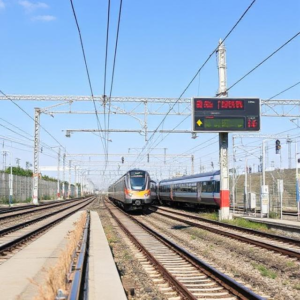
The system uses technology, communication, and data to control when and where trains run. Here’s how it works:
- Train Movement: Trains move from one station to another, but to avoid accidents, we need to control when each train can go and when it needs to stop.
- Track Availability: There are limited tracks and only so many trains can be on the same track at the same time. The system makes sure trains don’t run into each other.
- Signals: Signals are used to tell the train driver whether it’s safe to go, stop, or slow down. The system controls these signals.
3. Main Components of Railway Traffic Management Systems
a) Centralized Control System
- What it is: A central system monitors all the trains and tracks in the area. It’s like the brain of the whole network.
- How it helps: The central system uses real-time data to make decisions, like when to give a train the green light to go or when to stop a train to avoid a collision.
b) Signals and Signaling Systems
- What it is: Signals along the tracks tell the train driver whether to stop, go, or slow down. There are traditional signals and more advanced digital signals.
- How it helps: It keeps trains from getting too close to each other and ensures they follow a safe route.
c) Track Allocation
- What it is: The system ensures that trains are assigned to the right tracks at the right time.
- How it helps: With so many trains running, this system helps avoid trains trying to go on the same track at the same time. It ensures there are no conflicts or delays.
d) Train Scheduling and Route Planning
- What it is: Train schedules show when trains should arrive, depart, and travel along the tracks. The traffic management system helps plan the best routes for each train.
- How it helps: It avoids congestion (too many trains on the same track) and ensures that each train arrives and leaves on time.
e) Communication Systems
- What it is: The trains, stations, and central control system are all connected by communication networks. These systems allow the sharing of real-time information like train positions, delays, or problems on the track.
- How it helps: This keeps everything in sync. For example, if there’s an obstacle or delay, the system can alert the trains and adjust their routes.
f) Automatic Train Control (ATC)
- What it is: ATC is a technology that automatically controls a train’s speed and braking. It makes sure trains don’t exceed speed limits or stop too late.
- How it helps: It reduces human error, keeps trains safe, and improves efficiency.
4. What Does the System Do?
- Traffic Flow Management: It ensures trains run in an orderly fashion, avoiding jams or accidents.
- Avoiding Collisions: By controlling signals and train movement, the system makes sure that trains don’t crash into each other.
- Efficient Use of Tracks: It maximizes the use of available tracks by efficiently scheduling and routing trains.
- Real-Time Updates: The system provides real-time information about the train’s location, speed, and potential issues. If there’s a delay, it can adjust the schedule.
- Maintenance Management: It tracks the condition of tracks and trains, sending alerts for maintenance if something needs fixing.
5. Types of Railway Traffic Management Systems
a) Traditional Systems (Signaling-Based)
- These systems rely heavily on human control and traditional signals (red, yellow, green) along the tracks.
- They are still used in many places, but they are not as efficient or fast as newer systems.
b) Modern Systems (Computerized/Integrated)
- These use advanced computers and software to control train movement more efficiently.
- Examples: European Train Control System (ETCS), Positive Train Control (PTC) in the U.S.
c) Integrated Systems
- These combine signals, communication, and control systems all into one to improve efficiency.
- They use real-time data to optimize train scheduling and help avoid delays.
6. Advantages of Railway Traffic Management Systems
- Safety: Prevents accidents by controlling signals and ensuring safe train movement.
- Efficiency: Reduces delays and makes better use of tracks.
- Cost-Effective: Minimizes downtime and disruptions, saving money in the long run.
- Fewer Delays: Smart scheduling helps ensure trains run on time, even during busy periods.
- Better Communication: Real-time updates help all parties (train operators, stations, passengers) stay informed.
7. Examples of Railway Traffic Management Systems
- European Train Control System (ETCS): Used in Europe to ensure smooth and safe train operations across different countries with different signaling systems.
- Positive Train Control (PTC): Used in the U.S. to automatically stop trains if there’s a risk of collision or if they go too fast.
Summary:
- Railway Traffic Management Systems (RTMS) control how trains move to keep them safe and on time.
- It uses signals, real-time data, computers, and communication systems to manage train movement, track allocation, and scheduling.
- It prevents accidents, reduces delays, and ensures efficient use of tracks, making train travel safer and more reliable.
In short, RTMS is like the traffic controller for trains, making sure everything runs smoothly and safely. Would you like to know more about a specific system or example?
Keywords: (RTMS), Railway